
Building Cameroon’s Next Biomass Manufacturing Opportunity
GIGOC is developing a modern biomass wood-pellet production facility in Limbe, Cameroon, designed to transform responsibly sourced wood-processing residues into efficient and commercially valuable biomass fuel products.
Project status
Project currently under development
- Proposed location
- Limbe, Cameroon
- Product
- Wood pellets
A development-stage biomass manufacturing initiative by GIGOC.
The Project
Developing Value from Biomass Resources
GIGOC’s biomass manufacturing initiative is being developed to convert suitable wood-processing residues and other approved biomass materials into compact wood pellets.
The proposed facility will bring together raw-material preparation, moisture control, pellet formation, cooling, screening and packaging within an organised industrial production process.
Located in Limbe, the project is intended to support local industrial development, create new economic opportunities and position GIGOC within the growing renewable biomass value chain.
The project remains in its development phase, with technical planning, regulatory preparation, supplier evaluation, infrastructure assessment and financing arrangements currently being advanced.
What Are Wood Pellets?
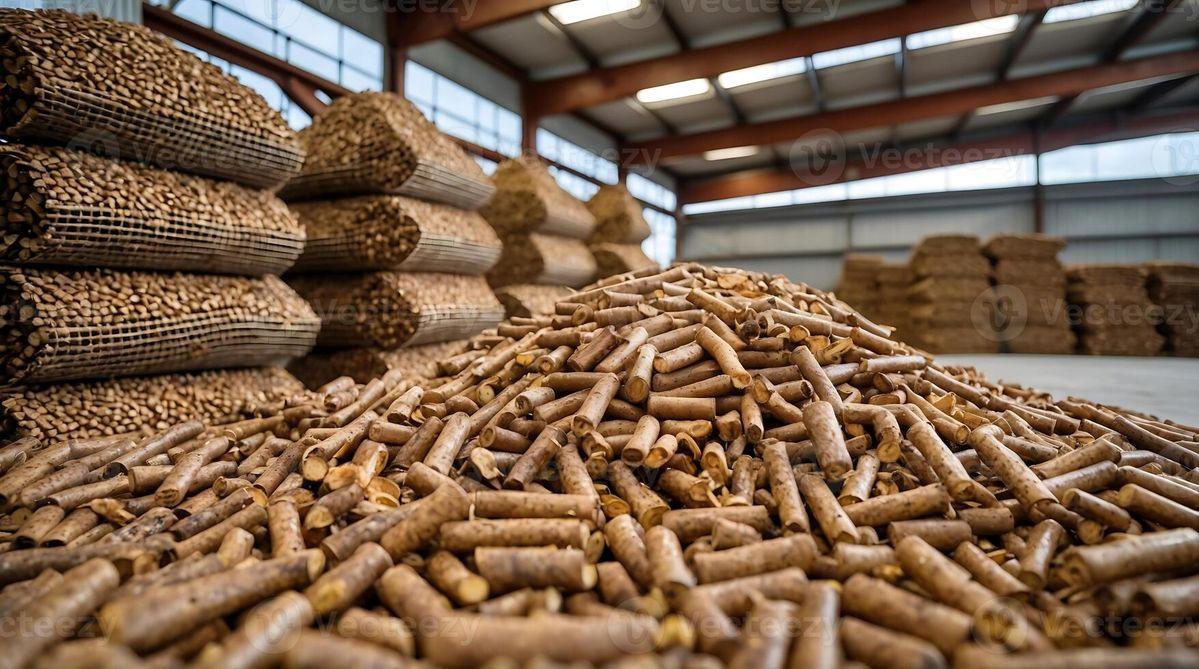
Biomass wood pellets are compact fuel products created by processing and compressing suitable wood residues into small, uniform forms.
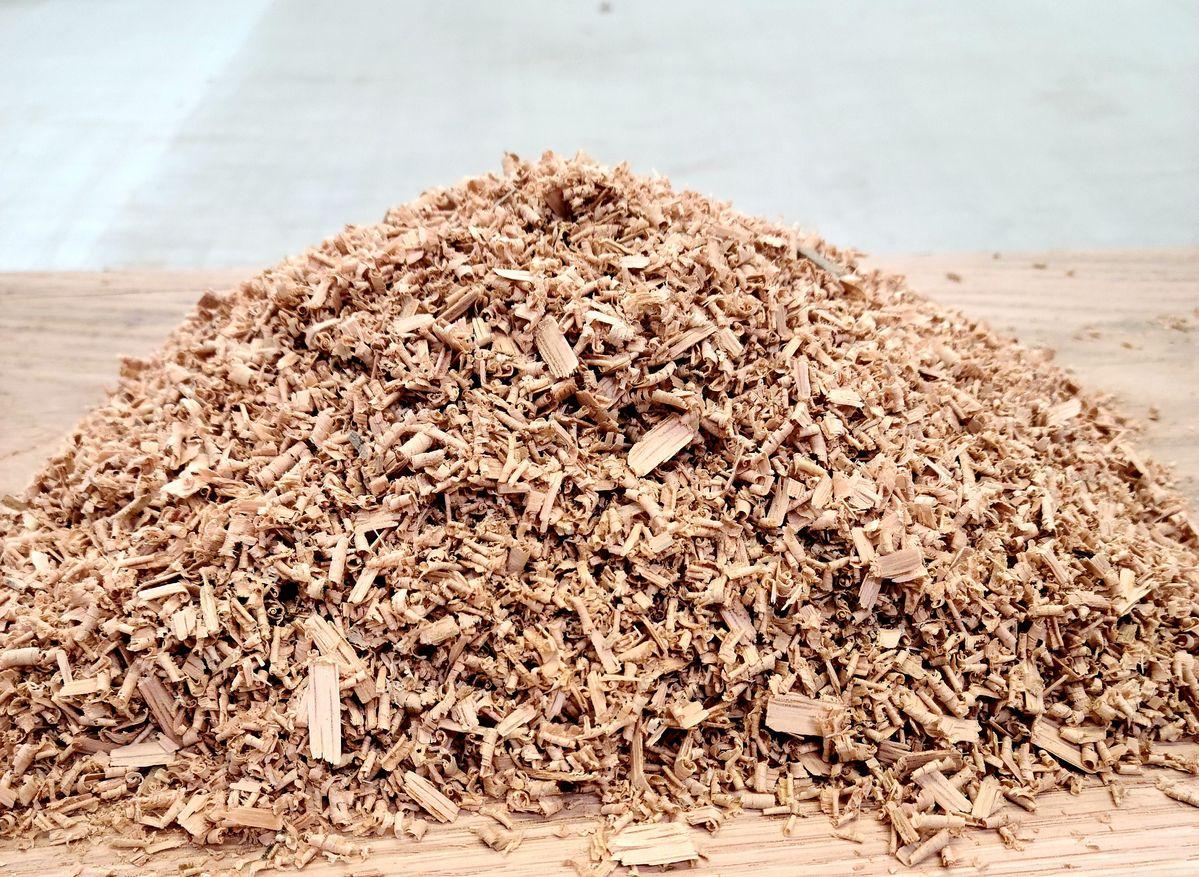
Materials such as sawdust and processed wood residues are reduced to the required size, dried to a controlled moisture level and compressed under pressure. The resulting pellets are easier to handle, store and transport than loose biomass materials.
Their consistent shape and density make them suitable for controlled heating and energy applications where biomass fuel is accepted.

Wood Pellet Manufacturing Process
From Wood Residue to Finished Pellets
The proposed manufacturing process is designed to convert suitable biomass residues into consistent finished pellets through a controlled sequence of preparation, production and quality-handling stages.
Read MoreRaw-Material Collection
Suitable wood-processing residues are received from approved and traceable sources.
Chipping and Size Reduction
Larger wood materials are reduced into smaller particles suitable for further processing.
Drying and Moisture Control
The prepared biomass is dried to achieve the moisture condition required for pellet production.
Pellet Formation
The dried material is compressed through specialised pellet-forming equipment to create dense and uniform pellets.
Cooling and Screening
Fresh pellets are cooled and screened to remove loose particles and unsuitable material.
Storage and Packaging
Qualified pellets are temporarily stored and prepared for handling, transport or distribution.
Planned Facility
An Integrated Biomass Production Facility in Limbe
The proposed GIGOC facility is being planned as an integrated industrial operation covering biomass preparation, drying, pellet production, cooling, screening, storage and packaging.
The project’s technical configuration is being evaluated to support dependable material flow, workplace safety, dust management, operational efficiency and consistent product handling.
Final construction, equipment installation and commissioning will proceed only after the required technical, financial and regulatory preparations have been completed.
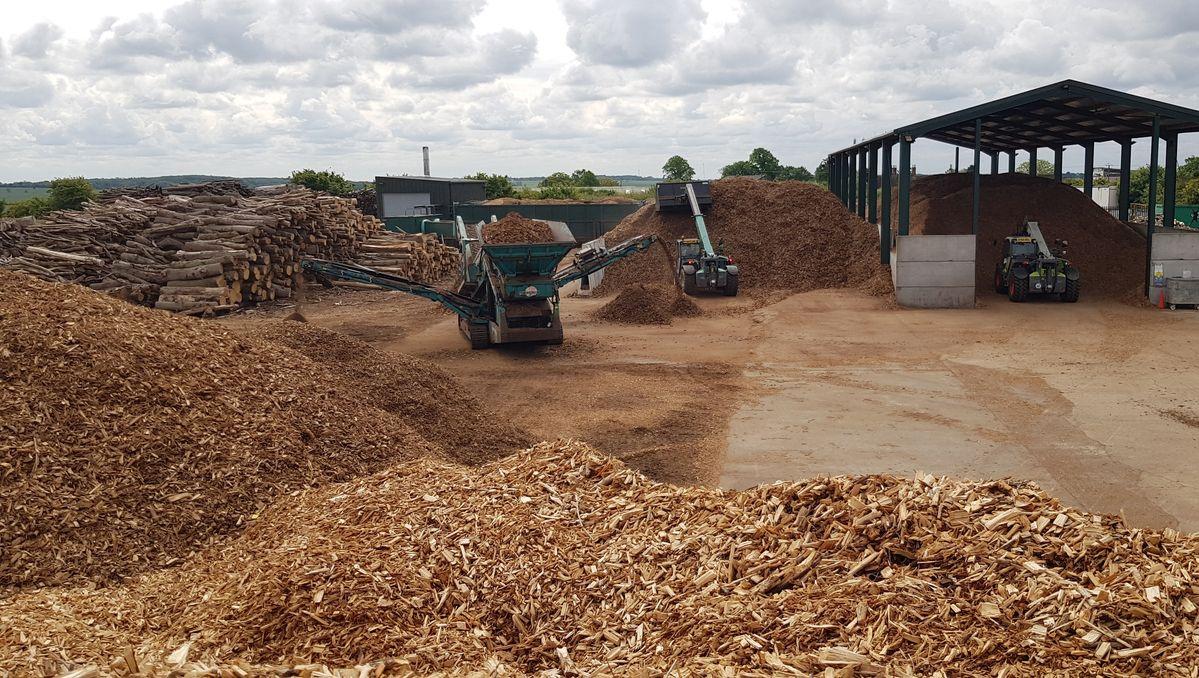
Facility planning in progress — illustration only.
- Planned industrial production workflow
- Integrated material preparation and pellet production
- Dust-control and material-handling considerations
- Structured storage and packaging process
- Development subject to engineering and regulatory confirmation
Responsible Sourcing
Creating Value from Suitable Wood Residues
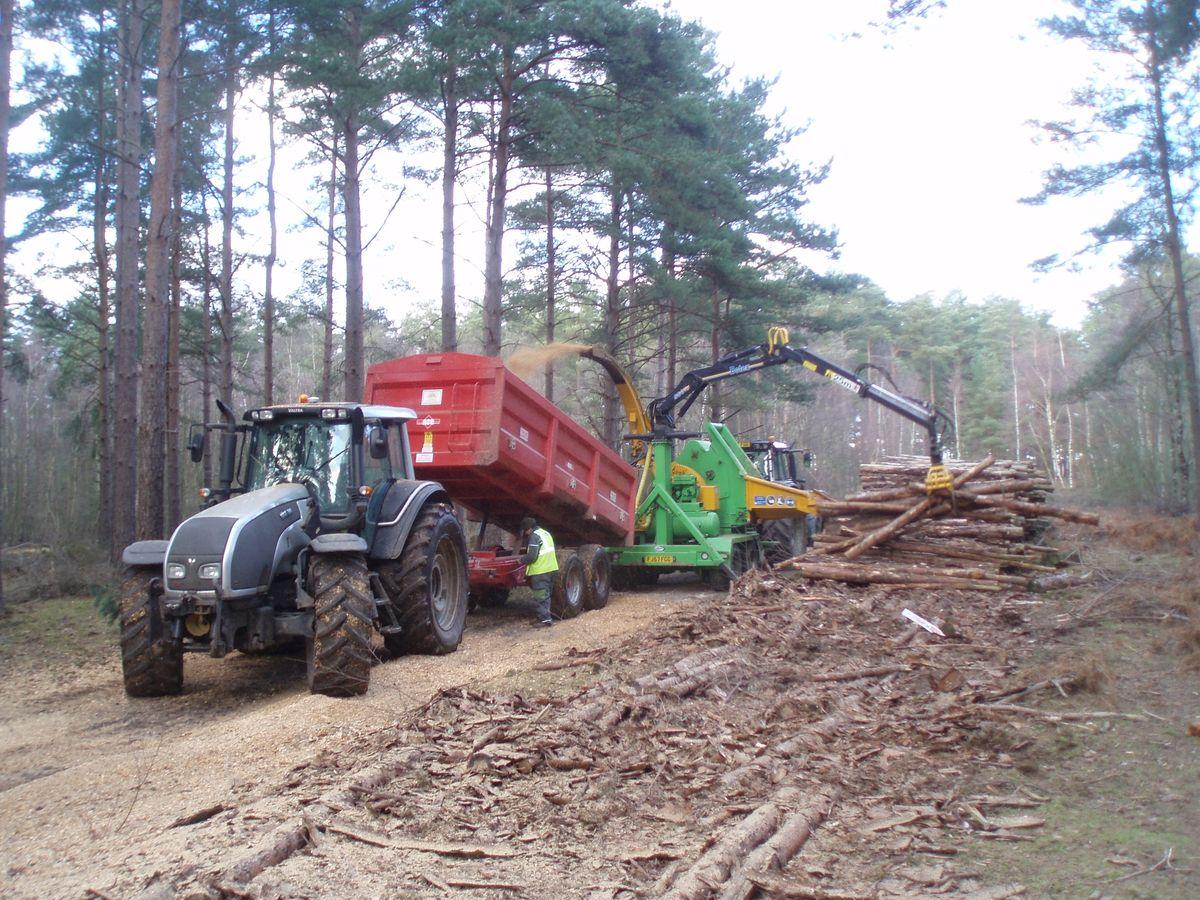
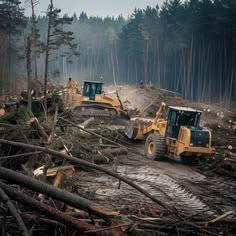
GIGOC intends to prioritise suitable residues generated by legally operating wood processors and other approved biomass suppliers.
The sourcing approach is expected to focus on materials such as sawdust, wood chips and recoverable processing residues that can be documented, prepared and used within the proposed manufacturing process.
Supplier relationships will be expected to support traceability, lawful material origin, consistent quality and reliable delivery.
The project’s final sourcing programme will be developed in accordance with applicable forestry, environmental and industrial requirements.
- Preference for traceable wood-processing residues
- Engagement with legally operating suppliers
- Material-quality and moisture requirements
- Documented supplier relationships
- Compliance with applicable regulations
Our Approach
Responsible Industrial Development
GIGOC is approaching the biomass project with consideration for environmental compliance, safe material handling and responsible industrial operations.
- Responsible material handling
- Dust-control considerations
- Safe biomass storage
- Workplace health and safety
- Regulatory and environmental preparation
- Continuous operational improvement






Expected Impact
Supporting Local Industry and Economic Opportunity
As the project progresses, GIGOC expects the manufacturing initiative to contribute to local industrial activity and create opportunities across the biomass supply chain.
Local Employment
The project is expected to create technical, operational, administrative, logistics and support roles as development advances.
Skills Development
Plant operation and maintenance can support practical manufacturing, safety and equipment-management skills.
Local Supply Opportunities
Approved sawmills, biomass suppliers, transport providers and service businesses may benefit from structured commercial relationships.
Industrial and Export Potential
The project is intended to strengthen local value addition and support Cameroon’s participation in regional and international biomass markets.
Project Status
Progressing Through the Development Phase
Technical planning, equipment evaluation, regulatory preparation, infrastructure assessment and financing arrangements are being undertaken before construction and commissioning.
| Project Area | Current Status |
|---|---|
| Preliminary technical concept | Developed |
| Equipment and supplier evaluation | In progress |
| Factory and infrastructure planning | In progress |
| Regulatory and environmental preparation | In progress |
| Financing structure | Under review |
| Construction and commissioning | Pending |
The information presented reflects the project’s current development position and will be updated as major implementation milestones are completed.
Interested in the Future of Biomass Manufacturing in Cameroon?
Connect with GIGOC to learn more about the developing wood-pellet project or follow future project announcements.
 Contact GIGOC