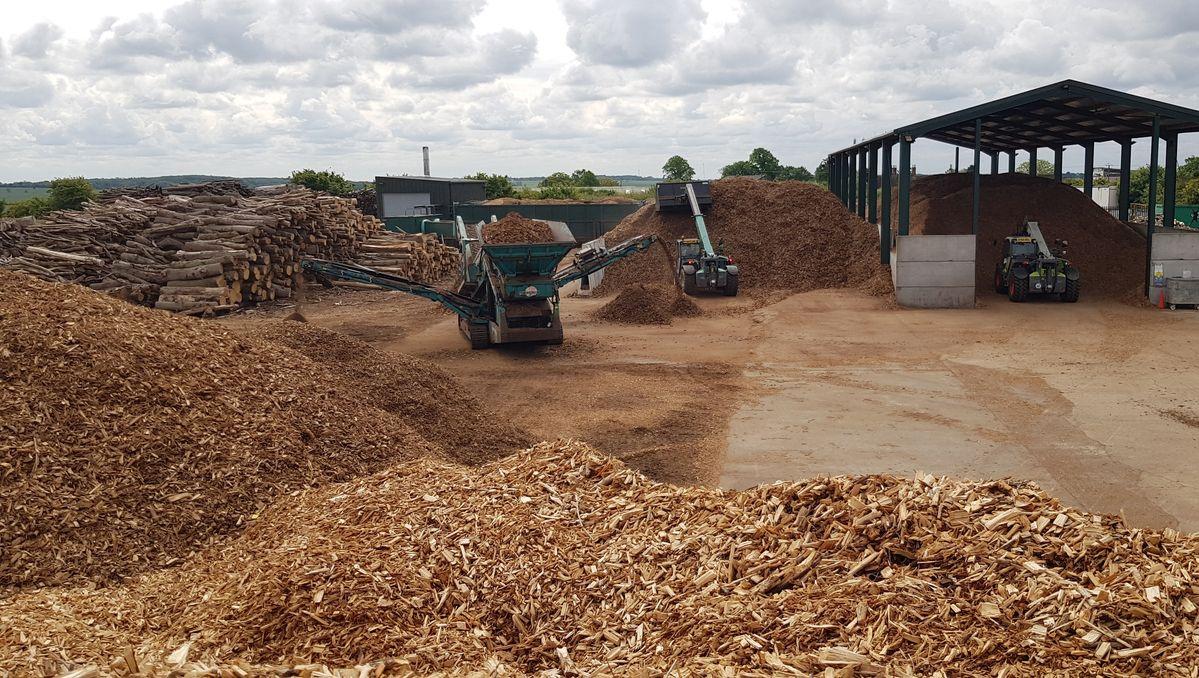

Wood-Pellet Manufacturing Process
From documented raw-material receipt to finished-product handling, pellet production depends on an organised sequence of preparation, control and verification.
Industry illustration only. GIGOC’s Limbe facility is still being planned and the final process remains subject to engineering and regulatory confirmation.
How the process works
A connected production system
Pellet production is more than a single pressing operation. Each stage prepares the material for the next and influences finished-product consistency.
The exact configuration depends on the feedstock, intended product specification, site conditions and approved engineering design. A dependable process therefore combines physical equipment with sampling, records, maintenance, safety controls and trained operators.
The sequence below explains a typical industrial approach. It is not a final layout or equipment specification for GIGOC’s proposed facility.
Production sequence
From residue to finished pellets
Nine connected stages provide a clear view of the proposed production logic without disclosing equipment models, capacities or factory-layout details.
- 01
Raw-material receipt and verification
Suitable wood-processing residues are received, documented and checked against defined sourcing and material requirements. Origin, contamination, moisture and general condition are considered before material enters production.
- 02
Sorting and foreign-material removal
The material is screened so that unsuitable pieces and foreign objects can be separated. This protects downstream equipment and supports a more consistent feedstock.
- 03
Primary size reduction
Larger material is chipped or ground into smaller particles. A controlled particle range supports more dependable drying, milling and pellet formation.
- 04
Drying and moisture control
Prepared biomass is dried toward the moisture condition required by the selected production system. Moisture is monitored because material that is too wet or too dry can affect formation and finished-pellet quality.
- 05
Fine milling and conditioning
The dried material is milled to a more uniform size. Depending on the approved process design and feedstock, controlled conditioning may be used to prepare the material for pressing.
- 06
Pellet formation
Prepared biomass is compressed through openings in a pellet die. Pressure and process heat help the particles consolidate into dense, cylindrical pellets.
- 07
Cooling and stabilisation
Fresh pellets leave the forming stage warm and comparatively soft. Controlled cooling lowers their temperature and helps them harden before further handling.
- 08
Screening and fines management
Cooled pellets are screened to separate loose particles and broken material. Fines are managed within the approved production and quality-control procedure.
- 09
Storage, packaging and release
Qualified pellets are protected from moisture and unnecessary breakage while awaiting packaging, bulk handling or distribution. Product release depends on the required checks and records.
Across every stage
Process controls connect the full operation
These controls are not isolated tasks. They support the movement of material from receipt through product release.
- Material traceability
- Document approved sources and preserve material records through receipt and use.
- Moisture management
- Monitor moisture during preparation and protect finished pellets from water exposure.
- Contamination control
- Inspect and screen incoming material to remove unsuitable or foreign matter.
- Dust management
- Contain dust at transfer points and support disciplined housekeeping.
- Product verification
- Assess agreed characteristics before pellets are approved for storage or dispatch.
- Safe material flow
- Plan movement, access and storage so people and materials can be managed safely.
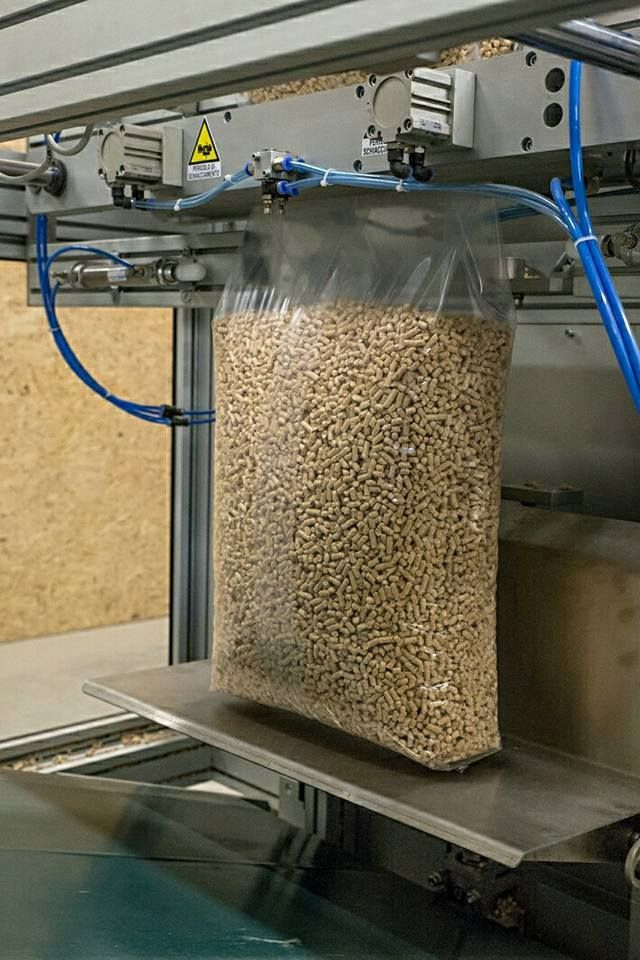
Illustrative equipment
Packaging follows production and product checks
Packaging is planned around the required product format, protection from moisture, safe handling and market needs. The pictured equipment is an industry example and is not presented as installed GIGOC machinery.
Quality checkpoints
Verification begins before pellet formation
Incoming material
Supplier documentation, material origin, contamination, particle condition and moisture are considered at receipt.
In-process control
Particle preparation, moisture and operating conditions are monitored so material remains within the approved production procedure.
Finished product
Relevant checks may cover dimensions, moisture, durability, fines, bulk density, ash and other characteristics required by the intended specification.
Records and release
Sampling, results and product identification support release decisions and traceability. The final GIGOC quality plan will be defined during project development.
Operational safety
Safety must be designed into the process
Detailed controls will depend on the approved facility design and risk assessments.
Combustible wood dust
Size reduction, transfer and screening can generate dust. Collection, containment, housekeeping and ignition-source controls are central considerations.
Heat and fire prevention
Drying, pressing and stored biomass require monitoring, maintenance and appropriately designed fire-prevention and response measures.
Machinery and movement
Guarding, isolation procedures, controlled access and safe traffic routes help manage risks around moving equipment and material handling.
Enclosed pellet storage
Stored pellets can emit carbon monoxide and reduce oxygen in confined spaces. Ventilation, monitoring, training and controlled entry are important.
GIGOC project context
A proposed process, not an operating factory
GIGOC is assessing the technical configuration, suppliers, infrastructure, environmental requirements and financing structure for a proposed facility in Limbe. Final equipment selection, construction and commissioning remain pending.
This page communicates the intended production logic at a responsible public level. It does not confirm installed machinery, production capacity, certification or commercial output.
Technical references
This process overview draws on the following official forestry, standards and workplace-safety resources.
- USDA Forest ServiceWood pellet manufacturing and market overview
- Forest ResearchWood pellet production
- Food and Agriculture Organization of the United NationsBiomass densification overview
- US Occupational Safety and Health AdministrationCombustible dust in industry
- UK Health and Safety ExecutiveSafe storage of wood pellets
- International Organization for StandardizationISO 17225-2: Graded wood pellets
Learn more about the finished product
Explore wood-pellet materials, quality characteristics and responsible storage and handling considerations.