
What Are Wood Pellets?
A practical introduction to how suitable wood residues become dense, uniform fuel products—and the quality and handling considerations that shape their use.
GIGOC’s biomass project in Limbe is currently under development. This page explains the product and does not represent current commercial production.
The product
A compact form of processed wood biomass
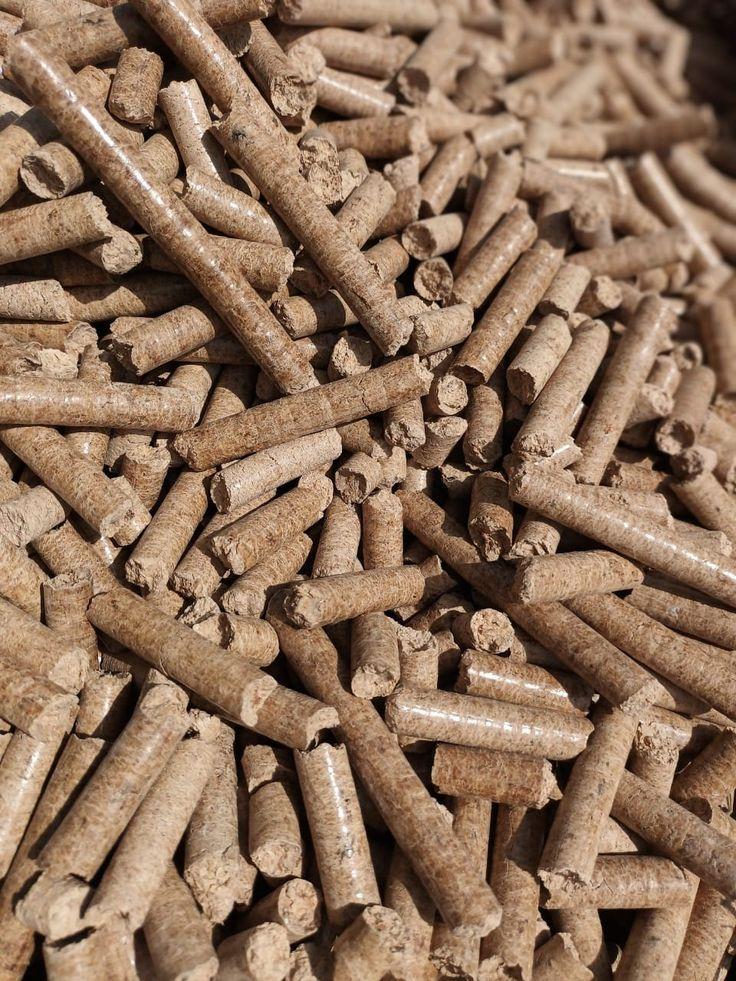
Wood pellets are small, dense products made by preparing suitable wood material and pressing it through specialised pellet-forming equipment.
The raw material is reduced to a controlled particle size and moisture condition before pressure shapes it into a consistent cylindrical form. Heat created during processing helps soften the wood’s natural lignin, which contributes to binding the particles together as the pellets form.
Compared with loose sawdust or irregular wood residues, the finished product is more uniform. That form can support organised storage, mechanical handling, transport and controlled energy applications where biomass fuel is accepted.
Suitable raw materials
Not every wood residue is automatically suitable
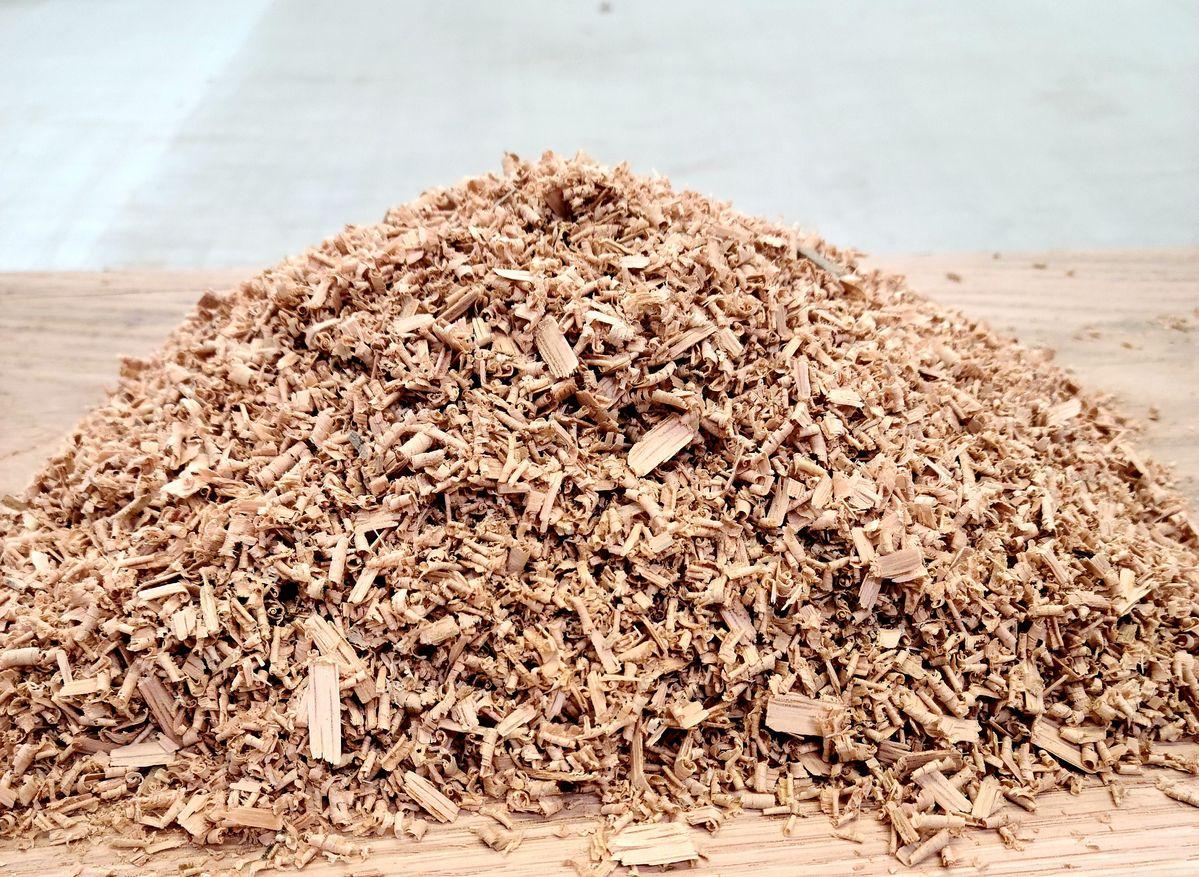
Pellet production can use suitable sawdust, shavings, chips and other wood-processing by-products. Their suitability depends on origin, cleanliness, moisture, particle size and the requirements of the intended pellet specification.
Foreign material, chemical contamination and inconsistent feedstock can compromise both production and finished-product quality. Responsible sourcing therefore begins before material reaches the production line.
GIGOC intends to prioritise documented residues from legally operating wood processors and other approved suppliers. The final sourcing programme remains subject to technical, environmental and regulatory preparation.
Understanding quality
The characteristics that matter
Pellet quality is assessed against the intended application and an agreed specification. Appearance alone is not enough.
- Raw-material origin
- The source and condition of the wood material influence whether it is suitable for pellet production. Traceability and lawful origin are essential parts of GIGOC’s planned sourcing approach.
- Moisture
- Moisture must be controlled during production and after packaging. Excess moisture can weaken pellets, increase breakage and reduce dependable product handling.
- Mechanical durability
- Durability describes how well pellets resist breaking during handling and transport. More breakage creates loose material, commonly referred to as fines.
- Ash and contamination
- Mineral content and unwanted foreign material affect product quality and suitability for an intended application, which is why feedstock inspection and screening matter.
- Dimensions and bulk density
- Consistent dimensions and density support predictable storage, conveying, packaging and controlled fuel-feeding systems.
Standards and specifications
Product requirements must be defined and verified
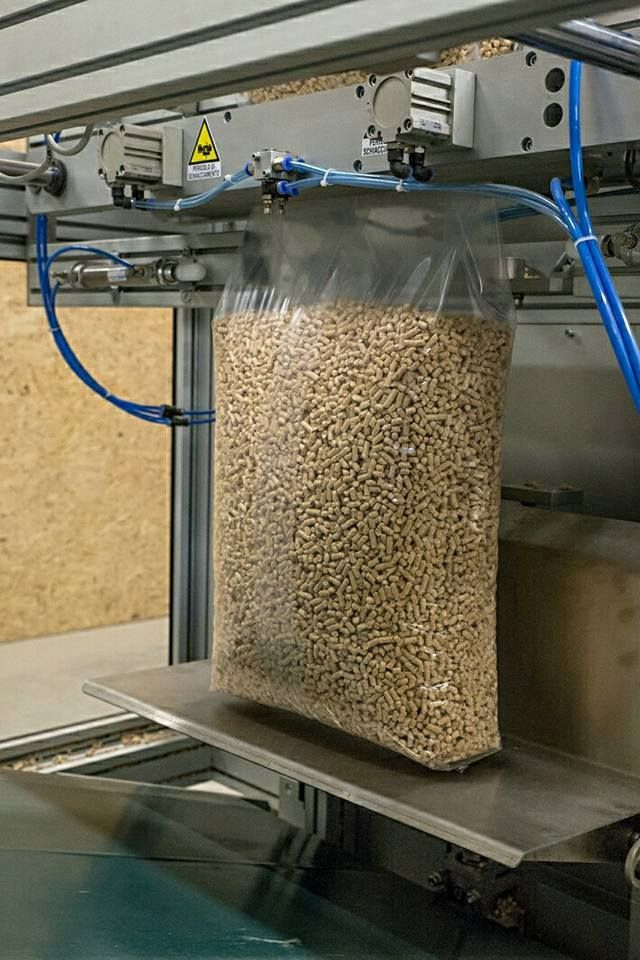
ISO 17225-2 provides quality classes and specifications for graded wood pellets used in industrial and non-industrial applications. A future GIGOC product specification would need to reflect the intended market, verified test results and applicable buyer or regulatory requirements.
GIGOC is not currently claiming product certification or conformance with a particular quality class.
Handling and storage
Keep pellets dry, contained and carefully managed
Protect from moisture
Pellets can absorb water, swell and break down. Storage and packaging should limit weather exposure and water ingress.
Limit breakage and fines
Careful conveying and handling help preserve durability and reduce loose particles that can accumulate as dust.
Control dust and ignition sources
Wood dust is combustible. Industrial systems require suitable containment, housekeeping and ignition-control measures.
Manage enclosed storage safely
Stored pellets can create low-oxygen and carbon-monoxide risks in confined spaces. Ventilation, monitoring and controlled access are important safety considerations.
A responsible approach to environmental claims
Wood pellets should not automatically be described as zero-emission, carbon-neutral or completely sustainable. Environmental performance depends on factors including material origin, production, transport, storage and the way the fuel is used. GIGOC’s public communications will remain evidence-based as the project develops.
Technical references
This educational overview draws on the following official standards, forestry and workplace-safety resources.
See how wood pellets are manufactured
Follow the production sequence from feedstock receipt and preparation through pellet formation, cooling, screening and packaging.